Human Error Still Remains the Biggest Cybersecurity Weakness
 Nilesh Tank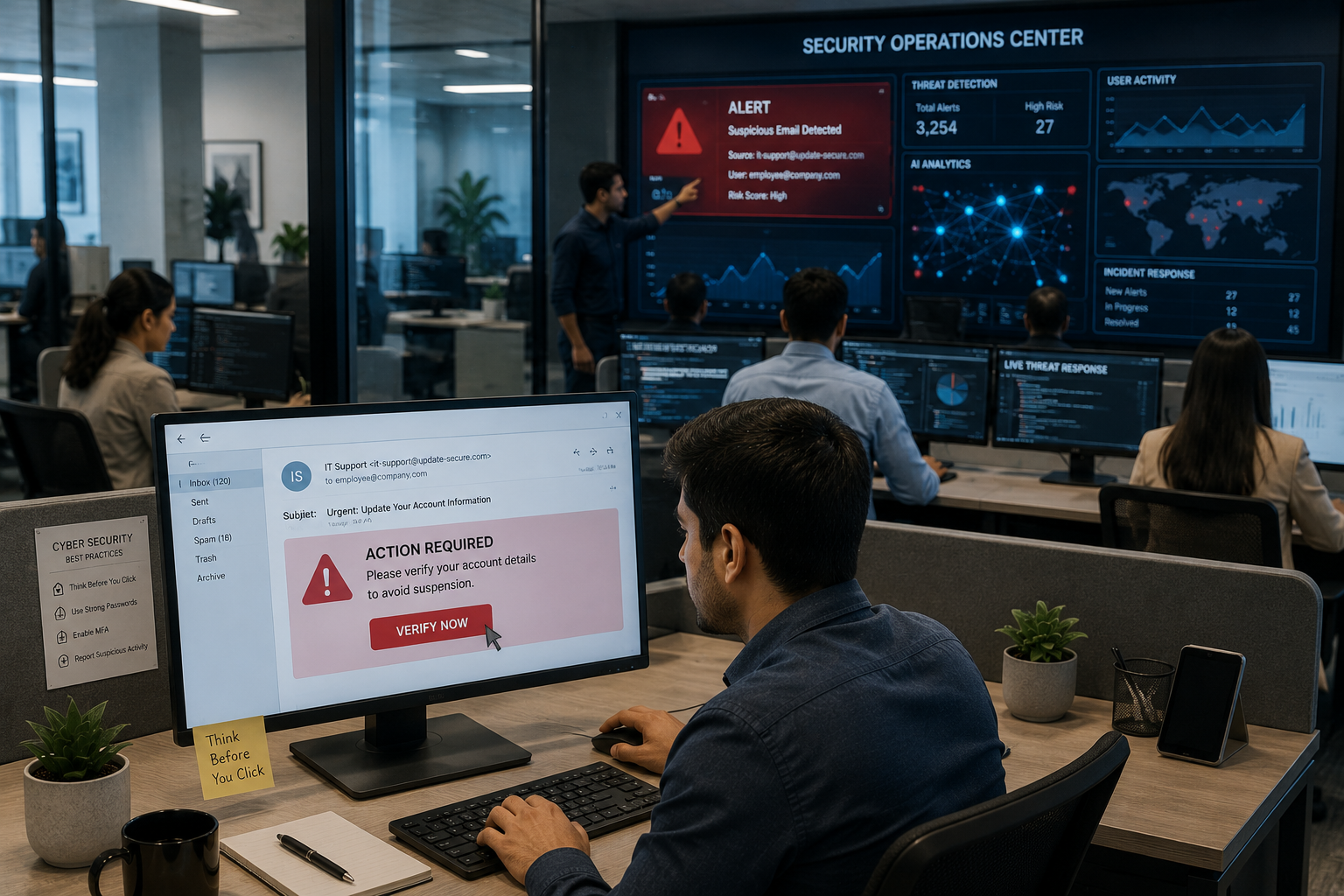
Cybersecurity is often associated with advanced technologies like firewalls, artificial intelligence (AI), and sophisticated security software. While these tools play a critical role in protecting organizations, one factor continues to influence the success or failure of cybersecurity efforts-human behavior.
A single click on a phishing email, the use of a weak password, or sharing sensitive information with the wrong person can create opportunities for cybercriminals. Even the most advanced security systems cannot prevent every attack if people are unaware of the risks.
The World Economic Forum's Empowering Defenders: AI for Cybersecurity (2026) report highlights that successful cybersecurity depends not only on technology but also on skilled people, responsible AI, strong governance, and informed decision-making. This means cybersecurity is as much about people as it is about technology.
Why Human Error Still Matters
Most employees use digital tools every day. They access cloud platforms, respond to emails, share files, and collaborate using business applications.
These daily activities are essential for productivity, but they also create opportunities for mistakes.
Common examples include:
- Clicking on phishing emails.
- Reusing passwords across multiple accounts.
- Accidentally sharing confidential information.
- Ignoring software updates.
- Approving suspicious login requests.
Most of these actions are not intentional. They happen because cyber threats have become increasingly sophisticated, making them difficult to recognize.
AI Is Changing the Way Attacks Happen
Artificial Intelligence is transforming cybersecurity for both defenders and attackers.
Organizations are using AI to detect unusual activity, automate threat detection, and improve incident response. At the same time, cybercriminals are using AI to create more convincing phishing emails, automate attacks, and personalize social engineering attempts.
As attacks become more realistic, it becomes harder for employees to distinguish legitimate communications from malicious ones.
This is why awareness and critical thinking are becoming just as important as technical security controls.
Technology Alone Cannot Solve the Problem
Many organizations invest heavily in cybersecurity technologies, but technology alone cannot eliminate cyber risk.
AI can identify suspicious behavior and recommend actions, but it cannot fully understand business context or replace human judgment.
The World Economic Forum emphasizes that AI should enhance human expertise rather than replace it. Security becomes stronger when intelligent technology works alongside informed employees who understand how to recognize and report potential threats.
Building a Security-Aware Culture
Reducing human error starts with creating a culture where cybersecurity becomes part of everyday work.
Organizations should encourage employees to:
- Verify unexpected requests before taking action.
- Use strong and unique passwords.
- Enable multi-factor authentication.
- Report suspicious emails or unusual activity immediately.
- Participate in regular cybersecurity awareness training.
When employees understand why these practices matter, they become active participants in protecting the organization.
Cybersecurity Is Everyone's Responsibility
Cybersecurity is no longer limited to IT departments.
Business leaders define security strategies, compliance teams ensure regulations are met, security professionals monitor threats, and employees protect information through responsible daily practices.
When every department works together, organizations become more resilient against evolving cyber threats.
Conclusion
While AI is transforming cybersecurity, people remain at the center of every organization's security strategy. Human awareness, informed decision-making, and continuous learning are essential for reducing cyber risk and strengthening resilience. By combining responsible AI with skilled employees and strong security governance, organizations can build a more proactive defense against today's evolving threats. Discover how our AI-powered Security Operations Center (SOC) platform helps organizations strengthen their security posture through continuous monitoring, intelligent threat detection, and rapid incident response, enabling teams to stay one step ahead of cyber threats.
About the Author
Nilesh Tank
Nilesh Tank is a VAPT Lead focused on penetration testing, vulnerability management, attack simulation, and offensive security. His expertise spans identifying security weaknesses and improving organizational security posture through proactive testing.
Is your Cyber Security 2026-Ready?
Stop ransomware and mitigate risks before they happen. Get a free architecture audit from our frontline security analysts.
Schedule a Strategy Call