Cybersecurity Isn’t Failing Because of Hackers - It’s Failing Because of Leadership Gaps
 Sajid Saiyed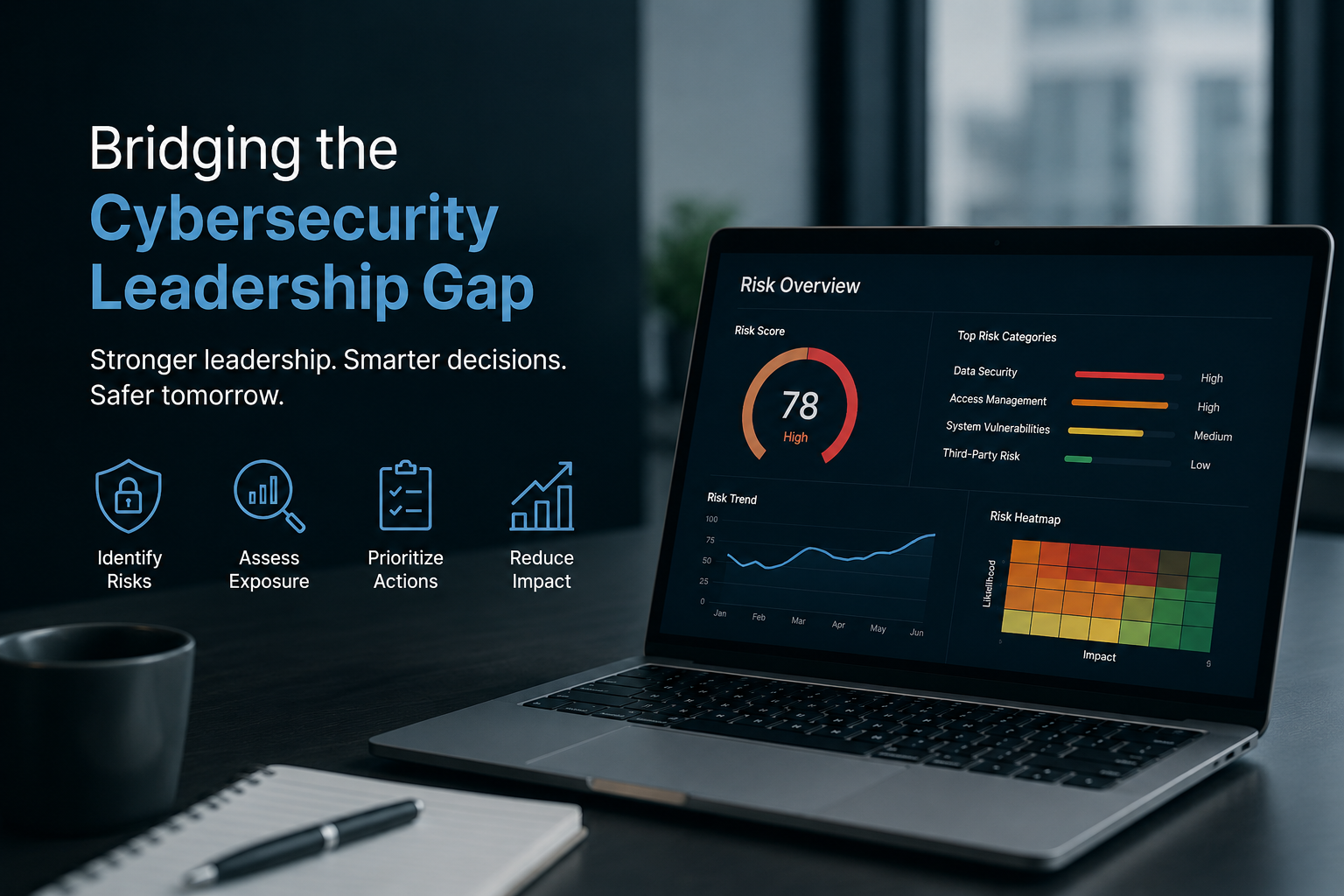
Most companies think cybersecurity problems start with hackers.
They don’t.
Most companies blame hackers for their cybersecurity problems. But the real trouble actually starts when businesses grow faster than their ability to handle cyber risk.
The Cybersecurity Problem Nobody Prepared For
Hackers are getting smarter, attacks are happening quicker, and the cost keeps climbing. The bigger issue, though, is rarely discussed: there just aren’t enough experienced cybersecurity leaders out there to manage these threats. And honestly, that’s turning into a real problem.
Every business relies on technology now, from banks, hospitals, start-ups, manufacturers, e-commerce, and even the corner shop. While everyone races to digitize their operations, cybersecurity leadership just can’t keep up. Recent reports show there are about 35,000 Chief Information Security Officers (CISOs) worldwide, but almost 359 million businesses. So, thousands of companies end up flying blind when it comes to cybersecurity.
Most businesses have tools.
Very few have a strategy.
The Biggest Misconception About Cybersecurity
Here’s what that looks like: Most businesses have plenty of security tools, but almost none have a real strategy. And that leads into the biggest misconception about cybersecurity: it’s not just an IT department thing. It's a business decision. One breach can hit your revenue, mess up operations, erode customer trust, cause compliance nightmares, and trash your brand reputation.
That’s why leadership matters. Good cybersecurity leaders help answer questions like:
- What’s our biggest risk?
- Where should we put our security budget?- Which systems are most exposed?- How fast can we respond if something goes wrong?
- What threats are slipping under the radar? If you don’t have answers to those, you can spend a fortune on security tools and still leave yourself wide open.
So, what do businesses actually need? With everything getting more complex, a lot of companies are switching to centralized cyber risk management platforms. These tools give leaders clearer visibility into where they’re vulnerable, what’s critical, and how to respond to threats. No more scattered spreadsheets, outdated reports, or random tools now leadership teams can pinpoint risks and make better, faster security decisions.
Platforms like CXO Risk were built for this. They help organizations track risks, prioritize vulnerabilities by how much they’ll hurt the business, and see exactly what’s happening across their cybersecurity operations without turning things into a tangled mess.
So, what exactly business’s needs?
As things get more complicated, you see more organizations switching to centralized cyber risk management platforms. These platforms make it easier for teams to see what’s at risk, spot which assets matter most, and figure out how to respond when something goes wrong.
Gone are the days of juggling scattered spreadsheets, old reports, or random tools. Modern platforms let leaders quickly spot big threats and make smarter, faster decisions about security.
Take CXO Risk, for example. It’s built to help organizations keep tabs on risks, focus on the vulnerabilities that hit hardest, and get a clearer picture of their cybersecurity status—all without piling on extra hassle.
About the Author
Sajid Saiyed
Sajid Saiyed leads Cybersecurity Umbrella, driving strategy across cybersecurity services, research, and product innovation. With a focus on building practical, scalable security solutions, he helps organizations strengthen resilience, meet compliance requirements, and confidently navigate an evolving digital landscape.
Is your Cyber Security 2026-Ready?
Stop ransomware and mitigate risks before they happen. Get a free architecture audit from our frontline security analysts.
Schedule a Strategy Call