How AI Is Reshaping Risk Management and Regulatory Expectations
 Tanuj Modi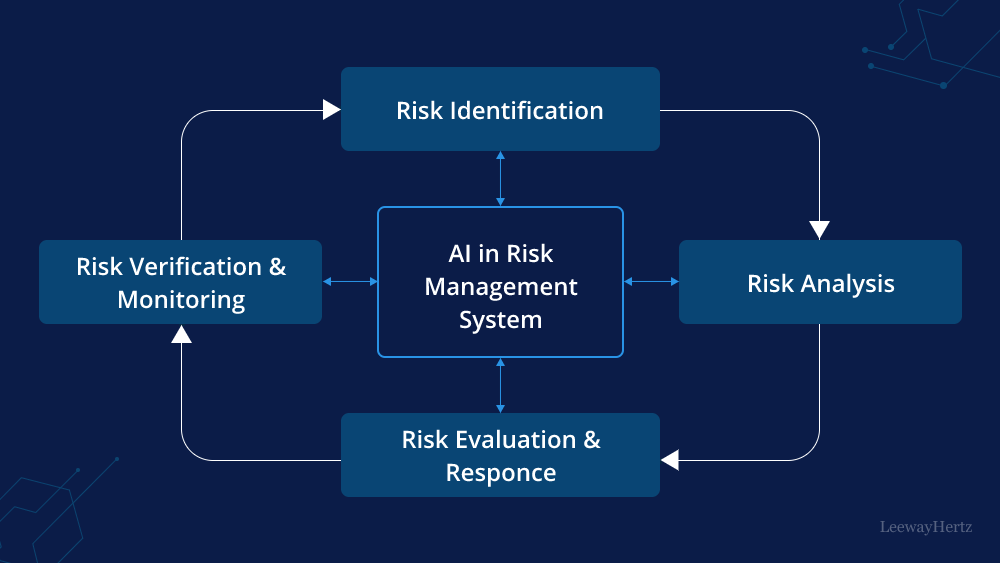
Introduction
Artificial Intelligence is no longer a futuristic idea on the sidelines of enterprise security; it is actively rewriting the rules on how organisations identify, assess, and respond to cybersecurity risk. For IT pros and developers, this change is both an opportunity and a responsibility. Here’s what’s changing:
1. Security stacks go AI-first: from threat detection to compliance automation.
2. Regulators are catching up fast with new frameworks demanding auditability and transparency.
3. The cost of inaction is rising. Organisations without AI-integrated risk management are increasingly exposed.
It’s no longer optional to understand how AI is transforming the enterprise risk management landscape. It’s foundational for building resilient, audit-ready organisations in 2026.
AI as an Accelerator for Cyber Security Risk Management
The heavy reliance on manual processes:
1. Periodic audits at a point in time
2. Static, rule-based threat detection
3. Reactive incident response after damage is done
All of these are useful, but they simply can’t match the speed and sophistication of today’s threats. AI-enabled risk management flips this equation upside down in three key ways:
1. Continuous Threat Monitoring & Real-Time Risk Detection
Correlates millions of security events per second across the entire attack surface.
Only high-confidence risks on the surface – eliminating the alert fatigue of legacy SIEM tools.
Faster and smarter decision-making with machine learning models trained on real threat data.
2. Predictive Risk Scoring
Assesses breach probability using behavioural patterns, network telemetry, and historical incident data
Shifts security posture from reactive to proactive
Let’s teams prioritize vulnerabilities before they are exploited, directly improving risk mitigation ROI
3. Automated Response & Remediation
AI-driven SOAR platforms autonomously contain threats in seconds, not hours
Actions include isolating compromised endpoints, revoking credentials, and initiating incident workflows.
Significantly lowering Mean Time to Respond (MTTR) is a key KPI in any modern Cybersecurity risk framework
The Regulatory Landscape Is Catching Up
Governments and industry bodies around the world are formalising expectations for AI governance and compliance. Organisations that are unprepared face serious regulatory risk exposure, including financial penalties and reputational damage.
Here is what IT professionals need to watch right now:
1. NIST AI RMF – A widely adopted framework that aligns directly with the NIST CSF. Where to start with AI risk governance.
- SEC Disclosure Rules — Public companies must report cyber incidents and record the use of AI tools at the board level.
- ISO/IEC 42001 — The world’s first AI Management Systems standard. Essential for organisations seeking compliance certification.
What This Means for IT Professionals:
- Explainability: Regulators want to understand why the AI made a decision. XAI architectures are recommended.
- Data Governance: Your AI is only as good as the data you feed it. Implement quality, lineage tracking, and bias controls.
- Human-in-the-Loop: The majority of frameworks have humans in the loop for high-stakes decisions. Build ways to escalate.
- Documentation: Regulators want it all. Logs, model versions, training data. Build it into your SDLC from day one.
CXO Risk Management AI Cyber Risk at the Executive Level
You can’t just know the risk terrain – that’s half the war. “The right platform is needed to act on it – quickly, at scale and with full regulatory confidence.”
And that's exactly what the CXO Risk of Cybersecurity Umbrella is built to do.
You’ve got real-time AI risk intelligence watching your systems around the clock, catching threats as they happen.
- The executive dashboards translate complicated cybersecurity data into clear, useful reports senior leaders can actually use.
- All decisions, models, actions, and reasoning are clearly documented, too, making audits a whole lot easier.
- CXO Risk steps up your game with AI-powered assessments and fraud detection, spotting breaches before they happen. It also keeps a close eye on vendor risk, so you know exactly where your outside exposure comes from.
CXO Risk is made for:
CISOs who have to juggle all those tough compliance rules and frameworks, IT pros and developers building security right into their workflows, and CXOs and board members who want one clear view of risk across the whole company. At Cybersecurity Umbrella, we don’t just offer the usual security buzzwords. We give you real protection like an umbrella that actually keeps you dry when the weather turns ugly.
Explore CXO Risk
About the Author
Tanuj Modi
Tanuj Modi is a GRC Manager focused on cybersecurity governance, risk management, regulatory compliance, and security frameworks. His work explores the intersection of security, compliance, and business risk.
Is your Cyber Security 2026-Ready?
Stop ransomware and mitigate risks before they happen. Get a free architecture audit from our frontline security analysts.
Schedule a Strategy Call