Cybersecurity Leadership Is Shifting From Tool Management to Risk Intelligence
 Jenish Babariya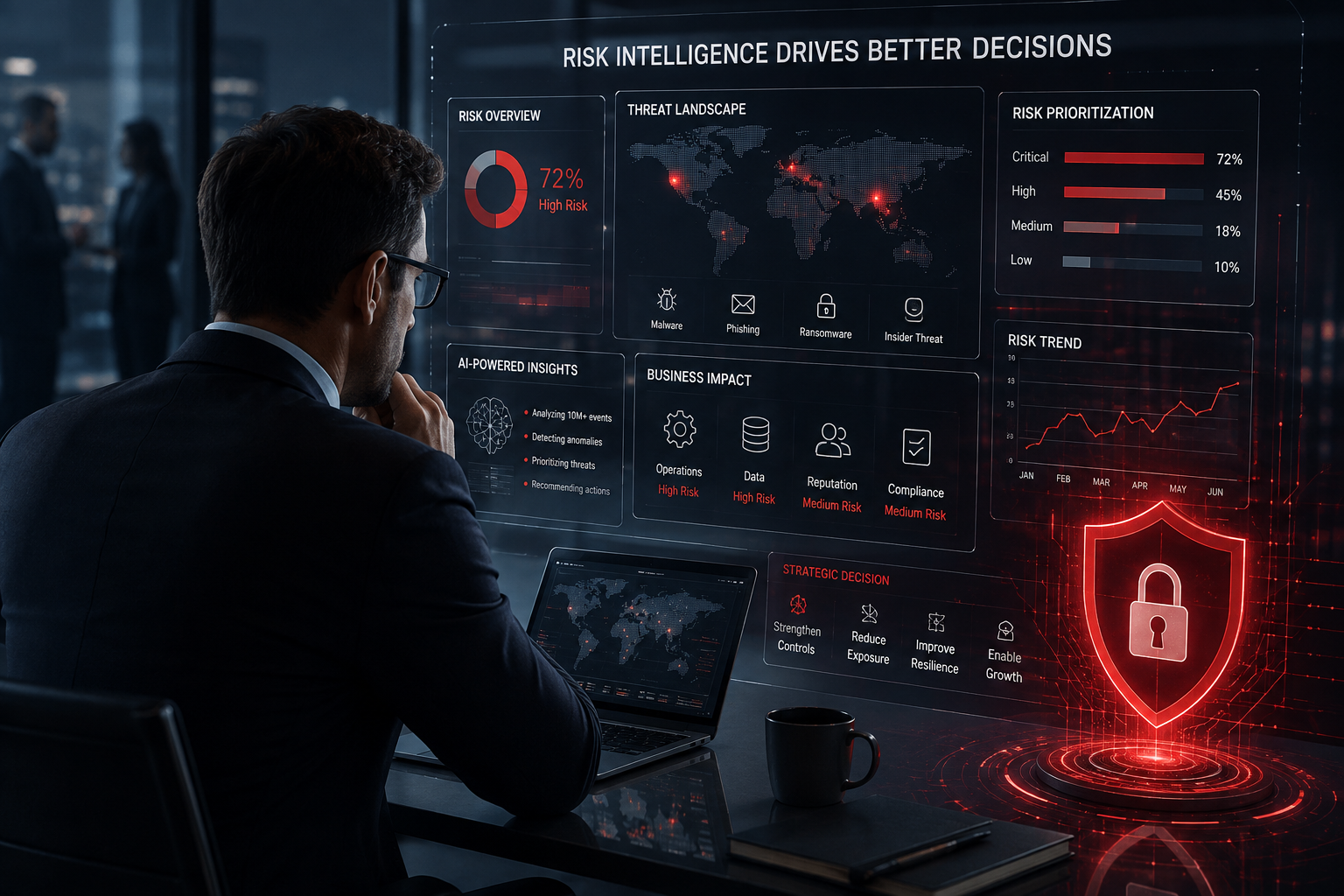
Cybersecurity has changed dramatically over the past decade. Organizations once focused primarily on deploying firewalls, antivirus software, and other security tools to keep cybercriminals out. Success was often measured by the number of tools in place rather than how effectively they reduced business risk.
Today, that approach is no longer enough.
As cyber threats become more sophisticated and Artificial Intelligence (AI) reshapes the security landscape, cybersecurity leaders are shifting their focus from simply managing tools to understanding and managing risk. According to the World Economic Forum's Empowering Defenders: AI for Cybersecurity (2026) report, the future of cybersecurity depends on combining AI, governance, skilled professionals, and risk-based decision-making to build resilient organizations.
More Tools Don't Always Mean Better Security
Many organizations have invested in multiple security solutions over the years. While these tools provide valuable protection, managing dozens of disconnected platforms can create complexity instead of clarity.
Security leaders are asking a different question today:
"Which risks matter most to our business?"
Instead of responding to every alert, organizations are prioritizing threats based on their potential impact on business operations, customer trust, and regulatory compliance.
This shift enables security teams to focus on the risks that truly require attention.
AI Is Helping Leaders Make Smarter Decisions
Artificial Intelligence is transforming how organizations identify and manage cyber risks.
Modern AI-powered security platforms can:
- Analyze millions of security events in real time.
- Identify unusual user and network behavior.
- Prioritize high-risk threats.
- Automate routine investigations.
- Provide actionable insights for security teams.
Rather than overwhelming analysts with alerts, AI helps leaders focus on meaningful risks and make faster, more informed decisions.
Cybersecurity Is Becoming a Business Strategy
Cybersecurity is no longer just an IT function-it has become a strategic business priority.
Cyber incidents can disrupt operations, impact customer confidence, damage brand reputation, and lead to financial or regulatory consequences.
The World Economic Forum emphasizes that cybersecurity leadership should involve executives, compliance teams, risk managers, and business leaders working together to align security initiatives with organizational goals.
This collaborative approach helps organizations make balanced decisions that support both innovation and resilience.
Risk Intelligence Drives Better Outcomes
Managing cybersecurity today is not simply about blocking attacks.
It is about understanding:
- Which assets are most critical.
- Where the greatest risks exist.
- Which vulnerabilities require immediate attention.
- How AI can improve visibility and decision-making.
- How security investments reduce business risk.
This approach, often called risk intelligence, enables organizations to move from reactive security to proactive risk management.
People Still Make the Difference
Even with advanced AI and automation, human expertise remains essential.
AI can analyze data, identify patterns, and recommend actions, but people provide business context, ethical judgment, and strategic direction.
The World Economic Forum highlights that AI should augment human expertise, not replace it. The strongest cybersecurity strategies combine intelligent technology with experienced professionals who understand organizational priorities and evolving threats.
Conclusion
The role of cybersecurity leadership is evolving from managing security tools to making informed, risk-based decisions that protect the entire business. Organizations that prioritize risk intelligence, responsible AI, and strong governance are better equipped to navigate today's complex threat landscape while supporting innovation and growth. Discover how our CXO Risk platform helps organizations gain real-time risk visibility, prioritize cyber threats, and make smarter, data-driven security decisions that strengthen resilience across the enterprise.
About the Author
Jenish Babariya
Jenish Babariya is a cybersecurity professional with experience across SOC operations, digital forensics, and DevOps. His areas of interest include threat detection, incident response, cyber investigations, cloud security, infrastructure automation, and emerging cyber threats.
Is your Cyber Security 2026-Ready?
Stop ransomware and mitigate risks before they happen. Get a free architecture audit from our frontline security analysts.
Schedule a Strategy Call